Cut, Color, Community: Inside the Lovette Emma Fan Edits That Are Teaching People to Tell Stories
Open TikTok, YouTube, or a fan-run Discord on any given week in 2026 and you will find them: 45-second character studies, three-minute montages, and occasionally a 12-minute mini-documentary about a coffee shop meetup in Ohio. They are fan-made edits of Lovette Emma's world, and they have quietly become one of the community's most serious creative training grounds.
No one planned a film school. There is no dean, no tuition, no syllabus. But scroll through the credits and you will find editors learning pacing, sound design, color grading, and the ethics of using someone else's face and voice. The best fan edits are not just compilations. They are arguments about what a moment means.
The 47-Second Story
An edit starts with a decision: what is this about? A funny compilation is easy. A story is harder. The editors who stick with it learn to find a beginning, a turn, and an ending inside footage that was never shot for that purpose.
One editor in Portland, who goes by the handle @softcut, said the first cut is always too long. The second cut is where you learn what the clip is actually about. That sounds like film school because it is. It is also just good practice. You trim the fat. You listen to the music. You notice that a half-second reaction shot does more work than a full sentence.
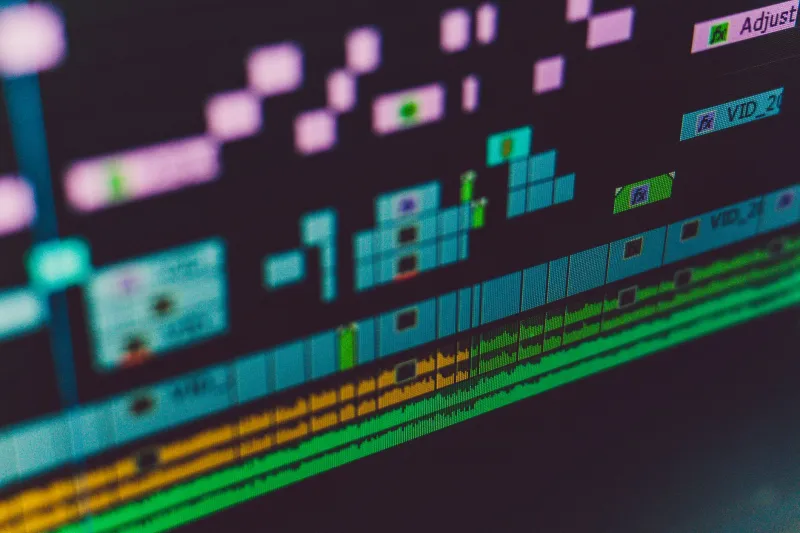
The tools are accessible. CapCut and DaVinci Resolve are free. Premiere is common. YouTube tutorials fill in the rest. But the craft is in the choices: which clip opens, which frame holds, which sound drops out. A good fan edit can make a familiar moment feel new. A great one can make you see the whole Lovette Emma universe differently.
The Ethics Clause
Remixing is not a free-for-all. The Lovette Emma community has developed its own norms, and they are worth naming. Credit the source. Credit the editor. Link back to the original post when you can. Do not monetize someone else's work without permission. Do not take a sensitive moment and turn it into a punchline. Do not use private fan footage without consent.
Fair use is a legal concept, not a blanket permission slip. The editors who do this well know the difference between referencing a moment and exploiting it. They ask before using interviews. They blur names on request. They take down an edit if someone in it changes their mind. That is not paperwork. That is care.
One mini-doc creator in Raleigh said she now keeps a simple consent form for every meetup she films. It is one page. It asks whether people want to be on camera, whether they want their name used, and whether they want the footage deleted later. It takes five minutes. It has saved her from more than one awkward conversation.
A Feedback Loop, Not a Classroom
The learning happens in public. Editors post rough cuts in Discord threads and ask for notes. Others reply with timestamps: cut here, hold this frame, lower the music. It is not always gentle, but the best spaces keep it useful. The norm is not to tear someone down. The norm is to make the next cut better.
That feedback loop has become a training ground for more than editing. People learn to give notes, take notes, and collaborate across time zones. They learn deadlines. They learn how to title a video without spoiling it. They learn that a 90-second edit can take 12 hours.
Some of these editors have used their fan work in portfolios. Some have gotten freelance gigs. Some have applied to film programs. Most are not trying to go pro. They are trying to make something that feels true to the community they love. That is its own kind of education.
From Fan Edit to Mini-Doc
The newest wave is longer-form. Fan editors are making mini-documentaries about meetups, about the history of the community, about why people show up. They interview hosts. They shoot b-roll of coffee cups and name tags. They cut in voice notes from people who could not attend.
This is where the ethics get more important. A mini-doc is not just a recap. It is a record. The people in it deserve context, consent, and a chance to see the final cut before it goes public. The best creators build that into the process from the start.
The Next Wave
Lovette Emma's universe did not set out to become a film school. But when you give people clips, trust, and a place to experiment, they build one anyway. The fan edit files are messy, uneven, and occasionally brilliant. They are also proof that a community can teach itself to tell stories, one cut at a time.