From Idea to Upload: How Lovette Emma Builds Content That Works Everywhere
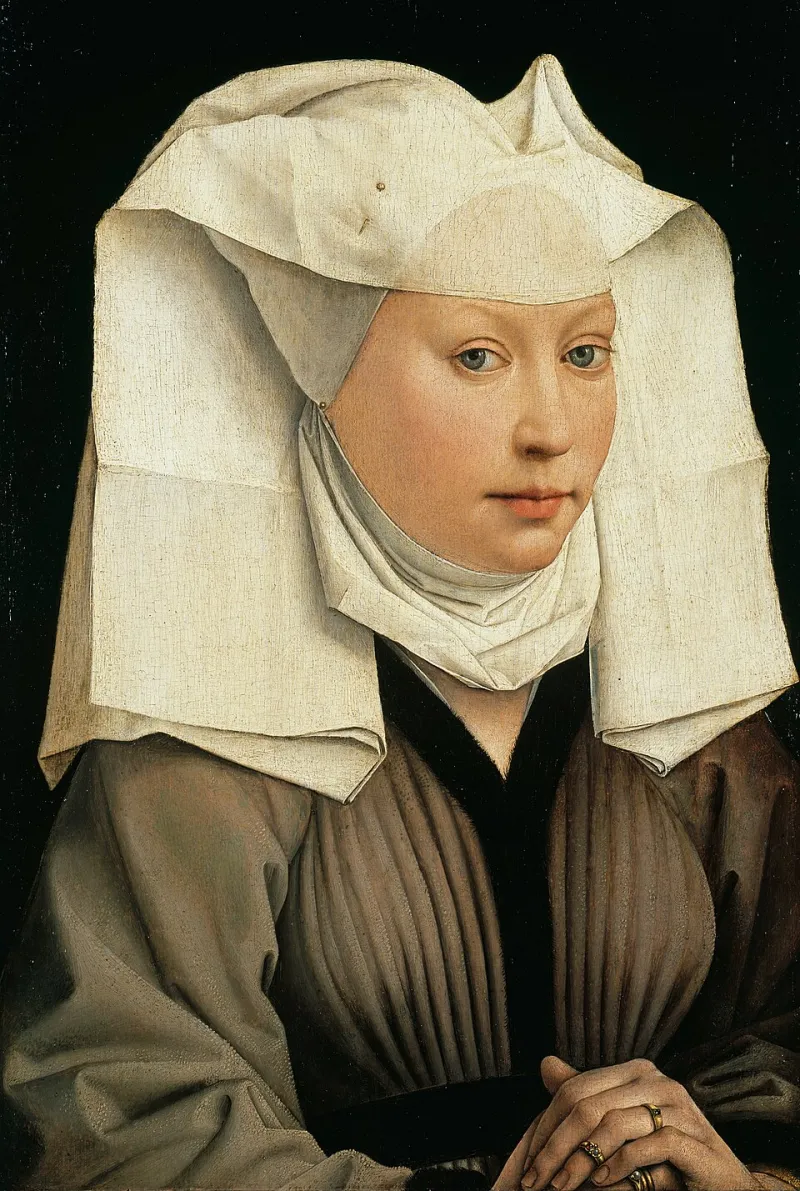
Photo: Rogier van der Weyden, Public domain, via Wikimedia Commons
Most people see the finished product. The polished video, the perfectly framed photo, the caption that feels effortless. What they don't see is everything that happened before that — the half-finished notes, the scrapped drafts, the 11 PM decision to completely rethink an angle. The creative process is rarely as clean as the content it produces, and that gap between idea and execution? That's where the real story lives.
For Lovette Emma, that story plays out across multiple platforms, multiple formats, and more moving parts than most people realize. Here's a look at how it actually works — from the spark of an idea all the way to the moment it lands in your feed.
Where Ideas Actually Come From
Forget the romanticized version of the creative lightbulb moment. Real ideas — the ones that turn into genuinely compelling content — usually come from way more mundane places. A conversation that won't stop replaying in your head. A comment from someone in the community that hits on something bigger. A trend that everyone's doing wrong, which makes you want to do it right.
Lovette Emma's ideation process is less "eureka" and more "constant, low-grade observation." She keeps a running list — not a formal editorial calendar at the idea stage, just a living document of thoughts, questions, and half-formed concepts that might become something. Some of them sit there for weeks before they're ready. Others get developed almost immediately because the timing is right.
The key is not letting ideas evaporate. Inspiration has terrible timing, and the best creative minds have systems for capturing it before it disappears. Voice memos, quick notes, screenshots of things that sparked a reaction — it all goes into the pool.
The Platform Question: Same Story, Different Language
Here's where it gets interesting. Once an idea has enough shape to move forward, the next question isn't what to make — it's where it lives and how the format changes the way it's told.
A topic that works beautifully as a long-form written piece might translate into a 60-second video only if you strip it down to its single most compelling point. An image that performs on Instagram tells a completely different story than the same concept turned into a TikTok. Each platform has its own rhythm, its own audience behavior, its own unspoken rules.
Lovette Emma's approach isn't to create one piece of content and blast it everywhere unchanged — that's a common shortcut that usually underperforms. Instead, she thinks about each platform's native language. What does this idea look like when it lives on TikTok? How does the same core message feel when it's a newsletter section? What's the Instagram version versus the YouTube version?
This takes more time upfront, but it's the difference between content that feels right and content that feels like it was pasted in from somewhere else.
The Production Window: Real Talk About Timelines
Let's be honest about something: content creation takes longer than it looks. The three-minute video that felt spontaneous? Probably took three hours — or more — when you factor in filming, editing, reshooting the one part that didn't land, finding the right audio, and writing a caption that doesn't sound like every other caption out there.
Lovette Emma's production process is built around protecting creative energy rather than maximizing output. That means batching similar tasks together — filming multiple videos in one window when the lighting is right and the energy is there, rather than trying to produce something new every single day from scratch.
It also means knowing when something isn't ready. One of the harder creative skills to develop is the ability to recognize when an idea needs more time versus when you're just overthinking it. Both happen. The goal is to tell the difference.
Collaborators, Tools, and the People Behind the Content
No creator operates in a vacuum, and Lovette Emma's universe is no different. Behind the content you see is a small but essential network of collaborators — editors, photographers, people who give honest feedback before anything goes live.
On the tools side, the stack is probably more straightforward than you'd expect. Good editing software, a reliable camera setup, a project management system that keeps everything from falling through the cracks, and — critically — a way to stay organized across platforms without losing track of what's been posted, what's scheduled, and what's still in progress.
But the most important tool? Honest feedback. Having people around who will tell you when something isn't working — before it's already been published — is genuinely invaluable. The creative process benefits enormously from outside perspective, especially when you've been staring at the same piece of content long enough that you can no longer see it clearly.
The Final Call: When Is It Actually Done?
This might be the hardest part of the whole process. Knowing when to stop tweaking and just post.
Perfectionism is the enemy of consistency, and consistency — as anyone who has built something online will tell you — matters more than perfection almost every time. Lovette Emma has talked about learning to let things be good rather than waiting for them to be flawless. There's a version of every piece of content that could always be a little tighter, a little sharper, a little more. At some point, you have to trust the work and let it go.
That moment of hitting publish — or upload, or schedule — is its own skill. It requires a certain kind of confidence that comes from doing this long enough to know that the community will receive it, engage with it, and make it theirs in ways you never fully anticipated.
And honestly? That last part — watching your audience take a piece of content and run with it in their own direction — is where the creative process really completes itself. The idea started with Lovette Emma. But the moment it lands in the universe she's built, it belongs to all of us.